Sincere Practice Is The Heart Of Spirituality

Tuesday, January 20, 2026

Sincere Practice Is the Heart of Spiritual Life


Why practice is more important than talking about spirituality, collecting techniques, or mantras.

To answer this, it is important to understand what constitutes a genuine sadhaka.

The spiritual life usually starts for a person when he gets into trouble or something unforeseen happens to oneself and one wants to understand why this happens. People without any issues or problems hardly get into spirituality, except for a few. There would be a few people who really want to understand things and get over the misery of life permanently and choose spirituality over others.

Some people see a market in this segment, and now in India it has become a 20,000 crore market. These people sell spirituality for profit, and it is these people who twist the teachings and make us do things which are unnecessary and expensive.

The problem with these types of ...Read More

(8) Comments

Magha Matangi Shyamala Gupta Navaratri

Tuesday, February 05, 2019

Magha Gupta Navaratri (19th Jan - 27th Jan 2025)

The first nine nights of the waxing phase of the Magha lunar month in the North Indian calendar, are also referred as the Magha Śyāmalā/Mātaṅgi Navarātri and dedicated to the worship of Śrī Mātaṅgi and all aspects of Śrī Kāli, such as the Daśamahāvidyās. Śrī Mātaṅgi Devi is the tantric Sarasvati - the Goddess of Knowledge, both spiritual and material, speech, writing, as well as of all scientific and literary art forms. All that is known and unknown is Her.

Rāja Śyāmala devi is propitiated during this Navaratri ie from Māgha śuddha pratipada till māgha pūrnima by ŚrIvidyopāsakās. Depending on one’s sampradāya, each navarātri is observed for 9 days or 15 days. Goddess Śyāmala being the Ākarṣaṇa śaktI of Lalitā parābhattarikā is worshiped in her Geya cakra (yantra) along with her retinues during this navarātri. If one desires to have upāsanā siddhi in Lalitopāsanā, he should approach parābhattārikā through Rāja Śyāmalā. In other words, the grace of Śyāmalā plays a vital role in pleasing the Supreme Goddess.

Anugraha śakti of Lalitā - Out of compassion, the grace of Lalitā descends towards the upāsakā in the form of Śyāmalā to uplift him in Her path(upāsanā). This is also called śaktipāta.

Ākarṣana śakti of Lalitā – parāmbikā draws Her devotees closer to her through Śyāmalā. She ensures that her devotees do not get carried away with worldly distractions and continue to tread steadily in Her path.

Buddhi śakti of Lalitā - She was born out of ...Read More

(30) Comments

Loans, Debits and Other Financial Struggles

Saturday, January 10, 2026

Problems Faced by Common People Due to Loans, Debts, and Financial Issues

Financial stress is one of the most common challenges for individuals and families worldwide. While loans and credit facilities can provide immediate relief or help achieve goals like buying a home, funding education, or managing emergencies, they often lead to long-term difficulties when not managed properly. Many spiritual seekers have requested for solutions through mantra sādhana and here are a few stotras mentioned in our scriptures to come out of these issues. May the sincere devotees practice any of the below stotras with utmost sincerity and faith to obtain the desired benefits. The stotras containing mantras certainly require an initiation.

1. Angaraka Stotram: 3 variations are provided in this website and chanting this stotra as per the prescribed procedure will relieve from financial challenges. Also, those who are considerd "Manglik" or afflicted by the planet Mars in their birth charts, must certainly consider reciting any of the below. 

Runa Vimochana Angaraka Stotram- Variation 1

Runa Vimochana Angaraka Stotram - Variation 2

Runa Vimochana Angaraka Stotram - Variation 3

2. Ganesh Stotram:  Two variations are provided

Runahara Ganesha Stotram

Sri Runa mochana Mahaganapati Stotram

3. Nrusimha Storam:

           Sri Runa mochana Narasimha Stotram

(28) Comments

Shri Kamakshi Sahasranamavali

Friday, December 26, 2025

Śrīkāmākṣīsahasranāmāvaliḥ (श्रीकामाक्षीसहस्रनामावलिः)

Prologue – Kāmākṣī Sahasranāma is a unique text found in a paper manuscript at the French Institute Pondicherry, who has been preserving the palm leaves and paper manuscripts by scanning them. The RE43333 paper manuscript has many sahasranāmas of Devi like Gāyatrī, Kālikā, Bhavanī etc. This Kāmākṣī Sahasranāma is seen in the grantha lipi in that manuscript. The colophon describes that this is the fifth chapter of Srishti Samhita said to Bṛghu by Lord Brahma. The deity said is the two-handed Golden image of Devi Kāmākṣī who is HER reflection. Kāmākṣī Vilāsa seen in Mārkaḍeya purāṇa also describes the emerging of Devi Kamakshi from the Bila – a cave like structure – which is at present under the mūla sthāna of Kāmākṣī temple to destroy the asura called Bandhaka. Later, a golden image of HER emerged from her third eye as HER Utsav Vigraha. This Devi was called Bangāru Kāmākṣī - Bangāru in Telugu dialect will mean gold. SHE is now in Tanjore. The greatness of Bila, the different festivals which are celebrated are all piously documented in this Sahasranāma. The various weapons and vehicles along with the various sins which are destroyed by just worshipping HER mentally is exhalated in these names. The Gayatri akṣaras are also said in a coded manner in the end. Though, we find 932 names only, here Sahasra will mean multitude and not just a thousand.

All these are joyfully offered at the Divine feet of Sri Devi Kāmākṣī.

Note -

A soulful rendering of the Sahasranāmāvaliḥ is available at this link – (https://youtu.be/mK_1qwDIccQ?si=kBtTRuZHHb88fQBH)

A book published by Shri Ramesh Kutticad guruji on the same subject is available at this link – ( https://give.srividya.org/product/EBOOK-2023-Kamakshi/kamakshim-karuna-rasambu-nilayam-ebook-multiple-scripts )

1. Prārthana (प्रार्थन) -

Śrī Gaṇeśāya nama

श्री गणेशाय नमः ।

Śrī Kāmākṣyai namaḥ

श्री कामाक्ष्यै नमः ...Read More

(43) Comments

Shri Kamakhya Sahasranamavali

Friday, December 26, 2025

Prologue –

Śrī Kāmākhyā Sahasranāmāvalī was composed by Shri Swami Divyachetanananda ji, a disciple of Shri Nikhileshwaranand ji (Shri Narayan Dutt Shrimali ji of Siddhashram fame) and Shri Baba Bhoothnath ji, a very famous and well-known guru in North India. Shri Swami Divyachetanananda ji was a great devotee of Śrī Kāmākhyā Ma just like the gurus before him in the lineage. He performed several Koti Archanas for the Divine Mother and during one of the Koti Archanas performed at the Kamakhya Dham temple, he went into a trance and the attributes of the Divine Mother were communicated to him through Her blessings. After this divine experience, Swami ji was able to compose and share this nāmāvalī with the world. As a tribute to Shri Swami Divyachetanananda ji and his contribution to tantra and humanity, we take immense pleasure in publishing this document in IAST and Devanagari format. At this time, we ...Read More

(8) Comments

Mahanirvana Sundari Dhyanam

Sunday, January 11, 2026

Mahānirvāṇa sundarī dhyānam!!!

महानिर्वाण सुन्दरी ध्यानम्!!!


Prologue – The Divine Mother Mahānirvāṇa Sundarī denotes the culmination of the cycle of life and death and complete evolution and merger into the super-consciousness Parabrahman denoted by Her.

Source – The document presented here is a submission by the learned commenter Prince.

The dhyāna ślokas are also available in the Nirvāṇa Sundarī kalpam book published by Shri Animesh Nagar ji.

We are extremely grateful for the contribution and are presenting the same document with some notes that we believe may add value to the description of the verses. A true interpretation of the dhyāna verses is way beyond our knowledge and we hope that great gurus like Tivra and others may add more inputs to help us better understand and absorb the essence of the Divine Mother.

जवाकुसुमस‌ङ्काशां कोटिमार्तण्डतेजसीम् ।

वक्त्रैः षोडशभिर्युक्तां विशालनयनत्रयाम् ॥ १ ॥

javākusumas‌aṅkāśāṃ koṭimārtaṇḍatejasīm |

vaktraiḥ ṣoḍaśabhiryuktāṃ viśālanayanatrayām || 1 ||

She resembles the Hibiscus flower red in color, possessing the lustre of a crore suns rising together,

She has blossomed with sixteen faces, each with ...Read More

(4) Comments

Shri Durvasa Vidyamba Ashtadashakshara Mahamantra

Monday, December 01, 2025


Śrī Durvāsāvidyāmbā Aṣṭhadaśākṣara Mahāmantraḥ

(श्री दुर्वासाविद्याम्बा अष्ठदशाक्षर महामन्त्रः)


Source – Āmnāya mandāraḥ. Commentary by revered Tivra.

Initiation Required. Puraścaraṇa of the Śrī Bālā Tripura Sundarī mantra, as well as Kādi Pañcadaśī mantras, is a pre-requisite.

Purpose – Karmic cleansing leading towards self-realization.

NoteThe Divine Mother Śrī Durvāsāvidyāmbā is an expansion of the Śrī BāTripura Sundarī mantra that builds on the Śrī Śuddha vidyā mantra as well as the Kādi Pañcadaśī. The Divine Mother Śrī Durvāsāvidyāmbā belongs to the Paścimāmnāya transmission of Śrī Vidyā related to spiritual transformation.

Dedication – Much of the explanation of this mantra is borrowed from the writings and lectures of Śrī Yogāmba sameta Śrī Ātmānandanātha (Shri Ramesh Kutticad ji – an eminent Śrī Vidyā guru). Teachings of my gurus Shri Ravi ji and Shri Krishna ji of Medhayoga and Shri Ramesh ji continue to inspire me to ...Read More

(56) Comments

Shri Shankaropasita Hadi Ashtavimshatyakshara Mahamantra

Sunday, November 30, 2025


Śrī Śaṅkaravidyāmbā Aṣṭhāviṃśati Mahāmantraḥ

(श्री शङ्करविद्याम्बा अष्ठाविंशति महामन्त्रः)


Source – Āmnāya mandāraḥ. Commentary provided by revered Tivra.

Initiation Required. Puraścaraṇa of the Śrī Mahā Tripura Bharavī mantra, as well as Hādi Pañcadaśī and Hādi Turyāmbā mantras, is a pre-requisite.

Purpose – Karmic cleansing leading towards self-realization.

NoteThe Divine Mother Śrī Śaṅkaravidyāmbā is an expansion of the Śrī Mahā Tripura Bharavī mantra that builds on the Śrī Śuddha vidyā mantra as well as the Hādi Pañcadaśī and Hādi Turyāmbā. The Divine Mother Śrī Śaṅkaravidyāmbā belongs to the Paścimāmnāya transmission of Śrī Vidyā related to spiritual transformation.

Dedication – Much of the explanation of this mantra is borrowed from the writings and lectures of Śrī Yogāmba sameta Śrī Ātmānandanātha (Shri Ramesh Kutticad ji – an eminent Śrī Vidyā guru). Teachings of my gurus Shri Ravi ji and Shri Krishna ...Read More

(15) Comments

Shiva Shakti Srividya and the path to liberation

Thursday, November 27, 2025

Śiva-Śakti, Śrī Vidyā and the path to liberation.

This is the last article that Shri Ravi ji shared with a few of his direct disciples. My personal gratitude to Shri Jayanth Chandramauli for compiling the same and giving me the honour to share with everyone.

One’s spiritual life begins at the end of ritualistic life. Spiritual life culminates in pursuing silence and meditation. No mantra will lead to Liberation, which can only be attained through our mind. But there is a path to Liberation. It begins with religious activities, ritualistic worship and finally ends with meditation. This is a small write up on Liberation.

ALL ABOUT LIBERATION

The most revered, admired, perplexed, incomprehensible and secretive form of the Divine Couple, the confluence of Śiva and Śakti. The universe is created, sustained, dissolved, and re-created by them at their will that is indentured by the law of karma.

Saundarya Laharī (verse 1) says, “Śiva becomes capable of creating the universe, only when united with Śakti, otherwise He is incapable of even a stir (known as spanda).” Śiva is also known as Parabrahman and Śakti as ParāŚakti. Parabrahman is the static energy and is niṣkāma (devoid of desire, disinterested and unselfish) in nature. The nature of Śiva is explained in Māṇḍūkya Upaniṣad (7), which says, “It is neither consciousness of what is happening within nor the consciousness of what is happening externally. It is not conscious of all objects, and it is not unconscious either. It is beyond perception of any organ, beyond thought and sound. In it there is only consciousness of the Self and there is a total cessation of the world as such. It is the embodiment of peace and all that is good. It is without a second.” This is the typical explanation of the Brahman that is preternatural and interpenetrating.

Śakti is the primordial and latent energy of Śiva that alone manifests as the universe, its sustenance and disintegration and recreation. The consciousness referred by Māṇḍūkya Upaniṣad is nothing but the domain of Śakti. That is why it is said that Śakti is the primordial and latent energy of Śiva. She exists along with Śiva and cannot be separated. If Brahman and consciousness are discriminately differentiated out of nescience, the question of creation and existence does not arise. In reality, such differential existence does not prevail. But for easier understanding of the complex issue of creation, Śiva and Śakti have been perceived as two different aspects of the same entity. One cannot segregate the heat produced by the fire from the fire itself. The heat of the fire is primordially present in the fire. Neither fire, not heat can be of any use, unless they subsist together. This is a typical example ...Read More

(7) Comments

Sri Parashodasi Rajya Siddhi Lakshmi Maha Mantra

Sunday, December 29, 2024

Śrī Parāṣoḍaśī Rājyasiddhilakṣmī Mantraḥ!!!

(श्री पराषोडशी राज्यसिद्धिलक्ष्मी मन्त्रः)


Source – By the grace and contribution of most revered Shri Tivra. Meditation translation is courtesy of learned commenter Prince. The bīja derivations are courtesy of Shri Tripuraghna and Surya.

Acknowledgments - We are extremely grateful to all gurus and advanced sādhakas for their continued guidance and input to advance the material and spiritual progress of all sincere devotees of the Divine Mother and Father.

Initiation – Required. This is an advanced mantra and should NOT be practiced unless actively guided by a guru. Being a very aggressive deity, the retinue of the Divine Mother may attack the practitioner for not following the suggested guidelines.

Preliminaries – Mahā Ṣoḍhā nyāsā is highly recommended to absorb the qualities of the Divine Mother and to seek Her divine protection.

Revered Tivra states - "The Nyāsa that should be performed for Rājyasiddhilakṣmī is Mahā Ṣoḍhā Nyāsa. The fruit of this Nyāsa is Ājñā Siddhi, or the supreme power to command. You will need this because you are going to penetrate into very high and deep areas of existence. Demonic forces may try to destroy you before the blessing of Rājyasiddhilakṣmī can reach you, but they are afraid of Mahā Ṣoḍhā Nyāsa because it gives authority over the demonic forces also. Lalitā is all beautiful and everyone serves her of their own free will, but if anyone does not want to obey her, she can kill anyone with a simple command of her eyes or eyebrows. She can make anyone perform the five universal actions in the same way, just by moving her eyebrows. This is Ājñā Siddhi, which is different from her irresistible power of attraction. It is said that she never needed to use it, because her attraction is sufficient for everyone to obey her. Ājñā Siddhi is the Vāk Siddhi raised to its highest level, because Ājñā Siddhi exists even before the divine word. In the case of Pūrṇacaṇḍī (Siddhilakṣmī of Kālīkula) the Laghu Ṣoḍhā Nyāsaḥ of Guhyakālī should be performed. I do not recommend the Mahā Ṣoḍhā Nyāsa of Guhyakālī because it is too drastic. The Yantra of Rājyasiddhilakṣmī is the sixteen-layered Śrī Cakra, but I do not want you to worship in this inferior way. For those who want to reach even the ...Read More

(21) Comments

In our Hearts Forever

Thursday, December 05, 2024

Ravi Guruji's anniversary as per Gregorian Calendar is on 15th December and as per Hindu Calendar was performed on 4th Dec 2024.

We miss him eternally and Guruji is always in our Hearts!!! May Ravi Guruji continue to shower his Grace on all of us .....

(5) Comments

Śraddhāñjali to Pūjya Śrī Ānandānandanātha - Shri Ravi Guruji has merged with Lalitambika

Thursday, December 14, 2023

Śraddhāñjali to pūjya Śrī Ānandanātha - Shri Ravi Guruji has merged with Lalitambika

We are very saddened and grieved at the untimely and sudden passing away of Shri Ravi guruji in Chennai today. He leaves behind his wife Smt. Vijayalakshmi (Vijji), daughter Sudha, son-in-law Balaji, two grandsons, godson Suresh, close disciples Santosh, Sriram, Jayanth, Vignesh, Dan and thousands of disciples and well-wishers, who are and will always be his extended family.

We offer our śraddhāñjali to the holy feet of pūjya Śrī Ānandānandanātha, our self-realized spiritual guru Shri Ravi guruji on attaining Sadgati and mokṣa in his passing to the lap of the Divine Mother in the early hours of a Friday morning. He has left an indelible mark in the lives of many readers with his selfless contributions in writing thousands of articles to the Manblunder website on various topics of spirituality touching upon the essence of the Vedas, Purāṇas, Upaṇiṣads, Mantra śāstra, Trikā philosophy, Advaita etc. He lived and practiced everything we wrote and talked about and was selfless in initiating thousands of sādhakas into Śrī Vidyā directly and indirectly through his chosen disciples who he had designated as gurus.

To us, he is Śrī Māta Herself in a human form. He has left an indelible mark in the lives of many and will continue to do so from his heavenly abode. The Ātmā is immortal and Shri Ravi guruji is now with the Divine Mother Śrī Māta Herself. His cherished and laudable goals of sharing spiritual knowledge with one and all and helping all sincere spiritual aspirants, will continue to inspire us to our last breath.

(34) Comments

Kundalini - The Mystic Power

Friday, March 12, 2021

Divine Mother Kundalini

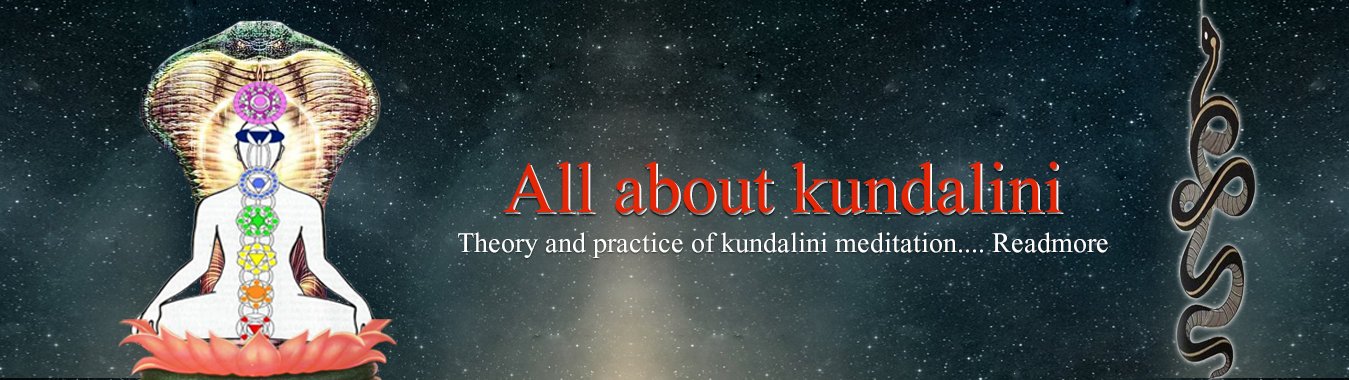
Have your ever been intrigued/fascinated by the word Kundalini and wanted to know more as well as explore the deeper aspects of the Divine Mother in the form of Kundalini? The six/seven chakras in the human body, their importance and other related aspects, are all part of the Kundalini activation. Not everyone is attracted to mantra japa and many prefer Kriya Yoga and related meditational practices. Ravi Guruji has written many articles on this subject and the Manblunder Team's top pick on this topic, is the series of 30 articles written on this topic and you may read them here. We do hope that those who have not read these articles may find valuable information to guide them on their spiritual journey.

All About Kundalini


(0) Comments

Shiva the Supreme - Part 1

Monday, May 04, 2009

This article is the first in the series, Shiva the Supreme. The concept of Shiva cannot be explained in a nut shell and it needs a thorough and detailed study. Rudra, Shiva, Mahadeva, Sadhashiva, and Bhairava are the popular names of Shiva. There are various interpretations for Shiva. We will discuss all these aspects and try to understand Shiva, the Supreme. Let us first take up Rudra. Brahma the creator did penance with a desire to create. But nothing materialized for Brahma. He got angry and started crying. From his tears appeared deadly snakes. Brahma got upset on seeing these snakes and lost his senses and ultimately died. From the body of Brahma appeared 11 Rudras. They are called eka dasa (eleven) Rudras. The name Rudra is formed out of ru and dru. Ru means cry and dru means move. Therefore Rudra means roaming around crying. This explanation is given in puranas. But Upanishads give different interpretation. The eleven Rudras represent ten sensory organs in the human body and eleventh Rudra is mind says Brhadaranyaka Upanishad. This explanation seems to be logical. There is yet another explanation for Rudra which says he is the remover of misery. Dru also means dissolve or melt and ru also means fear. This meaning also appears to be appropriate. Rudran removes all miseries of men. This is the reason for performing eka dasa rudram. Eka dasa Rudram names 11 Rudras. They ...Read More

(3) Comments

PATANJALI YOGA SUTRAS - 1

Saturday, March 25, 2017

Patañjali Yoga Sūtra-s has 196 aphorisms, classified under four chapters. First Chapter is known as samādhi pāda and has 51 aphorisms. Second chapter is known as sādhana pāda and has 55 aphorisms. These two chapters deal with the practice of controlling the mind and to enter into different stages of meditation. Third chapter is known as vibhūti pāda and has 56 aphorisms. This chapter deals with siddhis (super human powers) that we may acquire due to sincerity and intensity of practice, as explained in the first two chapters. Fourth chapter is known as kaivalya pāda and has 34 aphorisms.

We have covered chapters one and two through various articles on meditation. Now, we will take up for brief study, chapters three and four vibhūti pāda and kaivalya pāda.

Further Readings:

PATANJALI YOGA SUTRAS - 2

PATANJALI YOGA SUTRAS - 3

Understanding Philosophies - Part 6 - Patanjali Yoga

(0) Comments

Will You Come Back Guruji - Part 1

Thursday, March 29, 2012

Part 1

Guruji in the horizon is a short story about a rustic boy ultimately transforming into a Spiritual Guru. The story will be published as a series, containing a number of parts. Here is part 1:

It is yet another day.  I always like the dawn - the creeks of birds, misty leaves and the redness of the dawn. Red stands for compassion.  I used to wonder how the sun being so red at the time of dawn gradually turns white.  I live near river Cauvery. It is good to walk on the sandy river bed.  The tiny sand grains acupressure my feet and I used to enjoy this.  The river was flowing with the rustic sound that changes every minute.  In the river bed, I perform my yogic exercises.  I prefer the river bed as you have plenty of natural unpolluted air around.  The more oxygen intake helps to rejuvenate the body better. When I begin ...Read More

(2) Comments

Soundarya Lahari सौन्दर्यलहरी - Verse 1

Monday, May 07, 2012

Soundarya Laharī consisting one hundred verses was composed by Ādi Śaṁkarācārya in praise of Supreme Goddess Śaktī. Soundarya Laharī has two parts. The first part has 41 verses and this part is known as Ānandalaharī and the next part consisting of 59 verses is known as Soundarya laharī. Ānandalaharī deals exhaustively with the Bliss attained while worshipping Her and the next 59 verses dwell on Her physical description that can be explained both grossly and subtly.

Soundarya Lahari Verse 1

Śivaḥ śaktyā yukto yadi bhavati śaktaḥ prabhavituṁ
na cedevaṁ devo na khalu kuśalaḥ spanditumapi|
Atastvāmārādhyāṁ hariharaviriñcādibhirapi
praṇantuṁ stotuṁ vā kathamakṛtapuṇyaḥ prabhavati||

शिवः शक्त्या युक्तो यदि भवति शक्तः प्रभवितुं
न चेदेवं देवो न खलु कुशलः स्पन्दितुमपि।
अतस्त्वामारध्यां हरिहरविरिञ्चादिभिरपि
प्रणन्तुं स्तोतुं वा कथमकृतपुण्यः प्रभवति॥

 Śivaḥ - tāntric Śiva i.e. God Himself; yadi - if; yuktaḥ - joined with; Śaktyā – Śakti; bhavati – becomes; śaktaḥ - capable of; prabhavituṁ - manifesting; (but)  ced – if; na - He is not; evam - thus (i.e. if He is not united with Śakti); devaḥ - Śiva;  na khalu  api - is certainly not even; kuśalaḥ  - able; spanditum - to vibrate; Atas - For this reason; katham – how; akṛtapuṇyaḥ  - is the one who has not accomplished meritorious acts;  prabhavati - able to; praṇantuṁ  - bow; – or; stotuṁ – praise; tvām  - You; ārādhyām  - who are to be worshiped; api – even; by hari -Viṣṇu;  hara - purānic Śiva; viriñca – Brahmā; api – etc.

Meaning of this verse: Śiva becomes inert without Śaktī. When Śiva is not united with Śaktī, He cannot manifest the universe. Because of Her functional nature, Divine Mother becomes supremely important. Even gods and goddesses find it difficult to bow before Her and sing Her praise.

Śiva is Self-illuminating.  Without His existence, the universe will be plunged into darkness. Śiva is present in prakāśa (illuminating) form.  Prakāśa can be explained as visible, shining, universally noted, brightness, lustre, splendour, etc.  Śaktī is His vimarśa form.  Vimarśa can be explained as reasoning, knowledge, consideration, reflecting etc.  In spite of Śiva being the grandeur amongst the cognized existences, He cannot realize His own incomparable splendour without something that is able to reflect His grandeur.  This is like a human not able to see his own form without an object that is capable of reflecting his image.  Śaktī acts like a reflecting mirror where Śiva is able to realise His Reality, like a mirror reflecting the image of a person who stands before it.  Pure consciousness is Śiva and realizing the Pure Consciousness is Śaktī.  If Śiva is not present, the consciousness itself does not exist.  If Śaktī is not present, the presence of consciousness cannot be realised.  In the state of prakāśa ‘I’ and ‘This’ stand united and in the vimarśa aspect ‘This’ is separated from ‘I’.  Therefore prakāśa aspect is ‘I + This’ and vimarśa aspect is ‘This’ alone.  ‘I’ is the origin of the universe and ‘This’ is the expansion of the universe. Śiva is cit and Śaktī is citiCit means foundational consciousness and citi means the consciousness that brings about cognitive operations. Śaktī segregates I and This.  Without Śaktī this vital segregation cannot take place. Śiva causes the initial pulsation for creation that is carried forward by Śaktī.  Muṇḍaka Upaniṣad describes this Supreme Consciousness as ekātmapratyayasāram and the worldly process as Prapañca.

Śaktī pushes forward the throb created by Śiva through different principles or tattva-s (thirty six, where Śiva is tattva one and Śaktī is tattva two) and sustains it through Her māyā or illusion.  Māyā is the sole factor that separates a soul from the Brahman.  She is the manifested conglutination of Śiva and Śaktī and therefore She is both the seed and the sprout.  This also drives home the point that for creation, two objects are required.  For example, a soul alone cannot be born on its own.  It has to come into contact with prakṛti or Nature in order to manifest.  Procreation is not possible without conjugation of masculine and feminine energies. 

Moving on from the perceptible to subtle, a lot more is said about Their subtle conjugation.  They are referred as two bindu-s (dots), white and red, denoting Śiva and Śaktī respectively.  These two bindu-s in mutual conjunction expand and contract.  When they expand, the creation takes place by means of vāc (word) and artha (lit. meaning).  Vāc means the Śabda Brahman and artha means thirty six  tattva-s or principles.  These two bindu-s which enter one another are known as Kāma-Kāmeśvarī.  Śiva, the Supreme is in the form of the first alphabet of Sanskrit A (अ), is the cause of all sounds of Veda-s.  He attains the form of a bindu after having entered His own vimarśa form, Śaktī, in whom the entire universe is dissolved.  Like prakāśa form of bindu entering the vimarśa form of bindu, vimarśa form of bindu also enters prakāśa form of bindu, which is already within it.  As a result of this conjugation, a third bindu called as miśra bindu is born.  Miśra means combined.  Now there are three bindu-s, white, red and miśra.  These three bindu-s form a triangle, red and miśra are below and the white bindu is placed above them causing a perfect triangle.  The miśra bindu has all the tattva-s or principles within itself and is the cause for further creation.  This is the innermost triangle of Sri Chakra.  When these three dots are connected, the three connecting lines represent all the triads such as three guṇa-s, three stages of consciousness, icchā, jñāna and kriyā śaktī-s, etc.  This triangle becomes the cause for creation beginning with Brahmā, Viṣṇu, and Rudra.  These three dots are also referred as sun (top), moon (right) and fire (left).  There is an inverted triangle below the three dots.  The three connecting lines of this lower triangle represent three kūṭa-s of Her Pañcadaśī mantra (nāmā 89).

Śiva and Śaktī together are known as Paramaśiva. Śiva alone has got independent power of autonomy, known as svātantraya śakti, which comprises of cit, ānanda, icchā, jñāna and kriyā śakti-s. These five śakti-s are known as Consciousness, Bliss, will, knowledge and action.  Śiva transfers His exclusive and independent power of autonomy, comprising of these five powers to Śaktī. Śiva always prefers to remain alone in a state of Bliss. He carves out His svātantraya śakti and transfers it to Śaktī. As He has transferred His Power to Her, this verse says that He cannot act without Her. It must be remembered that whatever power She has, they represent the Powers of Śiva only. She acts on behalf of Śiva alone. There is nothing in this universe that is not Śiva. Therefore, unless one understands Śaktī, he or she cannot realize Śiva, the Ultimate. She alone can reveal Śiva, says Lalitā Sahasranāma 727, Śivajñānapradāyinī.

In the process of creation, there are so many energies in action. For example, creation is taken care of by Brahmā, sustenance by Viṣṇu and death is caused by Rudra. These three are only the primary acts of the Divine. There are many other innumerable energies and every such energy is represented by a deity, either a god or a goddess. For example, water is under the control of Varuṇa, fire by Agni, etc.  All these acts are overseen by Śaktī. Without Her command, none of these gods and goddesses becomes active.

She is worshipped in Sri Chakra, where the Divine Couple, Śiva and Śaktī are seated in the central bindu (dot). Before worshipping Them in this bindu, all other gods and goddesses are worshipped in various coverings known as āvaraṇa-s. Only after obtaining the blessings of all other gods and goddesses, the Divine Couple can be worshipped. This concept is symbolically represented through Sri Chakra worship.

Lalitā Sahasranāma adores Her through 1000 nāma-s. This Supreme Sahasranāma was composed by eight Vāc Devi-s and these nāma-s highlight all Her activities. If one needs to understand Her, he or she should first understand the meaning of these nāma-s. For example the first nāma adores as the Supreme Mother and the last nāma reveals Her name as Lalitāmbikā. In between these nāma-s, She is adored for each of Her quality. Nāma 250 adores Her as pañca-brahma-svarūpiṇī. Pañca-brahma refers to Her five primary acts – creation, sustenance, death, annihilation and re-creation.

To sum up, this verse adores the Supreme Mother, who is ever compassionate, carrying out all the activities to sustain the universe. Those who have good karmas accrued over past births alone become capable of seeking Her through various forms of Her worship. When it is not easy for Brahmā, Viṣṇu and Purānic Śiva to worship Her, the kind of good karmas one needs to worship Her through Śrīvidyā Upāsana is subtly explained in this verse.

Related articles:

Soundarya Lahari - सौन्दर्यलहरी - Verse 2 

Soundarya Lahari - Verse 3

(20) Comments

Theory And Practice of Kundalini Meditation - Introduction

Saturday, July 13, 2013

Kuṇḍalinī is not just a force, but Parāśakti Herself in Her subtlest form. It is one of the quickest methods to liberation. Even without practicing kuṇḍalinī, She ascends to higher chakras depending upon one’s level of love (the highest form of devotion) for Her. Ascension of kuṇḍalinī is directly related to the purity level of one’s mind. Yoga Cūḍāmaṇi Upaniṣad talks abou90t the importance of kuṇḍalinī. Verse 37 says, “Kuṇḍalinī rests in the passage of Brahman. If one goes through this passage, Brahman is attained.” Passage of Brahman that is referred here is a tiny nāḍi (often explained as a nerve or an artery or a vein) inside the spinal cord known as suṣumna, where all the three guṇa-s (sattva, rajas and tamas) are present. Within suṣumna, there are two other nāḍi-s, one within the other. Outer nāḍi is suṣumna and within suṣumna there is another nāḍi vajra (literal meaning – impenetrable) and within vajra, there is a very tiny nāḍi known as citriṇi and this citriṇi nāḍi is referred as the pathway to Brahman, who is seated at the top of the head in a tiny orifice known as brahmrandra (the orifice of Brahman). Yoga Cūḍāmaṇi Upaniṣad (39) says, “When kuṇḍalinī is awakened, ascends through citriṇi nāḍi and opens the door for the practitioner to realize Brahman.” We need the help of only mind and prāṇa to awaken this Divine Power Kuṇḍalinī which lies dormant in the base chakra and through practice have to make Her unite with Her Consort of Śiva. When this Divine Union takes place, the yogi is liberated.

How importance kuṇḍalinī is in the path or liberation is explained in Haṭhayoga Pradīpaka in the chapter samādhi. “When kuṇḍalinī is awakened through various means, one enters into the state of samādhi automatically. The one, who knows the path abandons all actions when his prāṇa enters into suṣumna (technically speaking it is through citriṇi nāḍi, which is the inner most nāḍi in suṣumna. He is liberated when kuṇḍalinī enters into sahasrāra.” Therefore, the main purpose of understanding and practicing kuṇḍalinī meditation is only to attain liberation. Some supernatural powers that are attained during practice are to be ignored, if one is able to attain these powers; however, these powers are rarely attained. Kuṇḍalinī Yoga is also known as Mahā Yoga, which itself indicates its importance and supremacy.

Before practicing kuṇḍalinī, we need to have thorough understanding of the subtleties of kuṇḍalinī, which is the subtlest and yet the most powerful form of Parāśakti. As we know, She has three forms, Gross (different forms with which we worship Her, such as Kālī, Ṣoḍaśī etc. Her subtler form is Kāmakalā and Her subtlest form is Kuṇḍalinī. All these three forms are discussed in Lalitā Sahasranāma in detail.

It is always advisable to practice kuṇḍalinī meditation under the direct supervision of a learned Guru, who has experienced the Bliss of kuṇḍalinī and got liberated. Expertise of a Guru is needed in case of wrong practice which could cause serious damage to the whole body, particularly, the nervous system. While practicing kuṇḍalinī meditation, certain biological, hormonal and chemical changes happen in the body and such changes in general do not cause any harm, provided, this meditation is practiced step by step in a slow pace.

This series will discuss all possible angles of kuṇḍalinī meditation, including theory, practice, required āsana-s, prāṇāyāma, mudra-s, bandha-s, yoganidrā, activating and balancing psychic centres apart from discussing spiritual, scientific and biological angles. However, extreme caution should be exercised while practicing these procedures. Most importantly, one should have absolute faith on Her Grace.

(to be continued)

Further Readings:

Kundalini Syndrome

Kinetic Kundalini Energy

Is Kundalini Deaf

(8) Comments

Nabhi Vidya - Mantra Raja

Tuesday, September 12, 2023

ŚRĪ NĀBHI VIDYĀ MANTRARĀJAḤ (श्री नाभि विद्या मन्त्रराजः)

PŪRVĀṄGA VIDYĀ (पूर्वाङ्ग विद्या)

  1. Kādi Anuloma (कादि अनुलोम) -

om̐ aim̐ hrīm̐ śrīm̐ aim̐ klīm̐ sau
aim̐ aim̐ kaeīla kaeīla hrīm̐
klīm̐ klīm̐ hasakahala hasakahala hrīm̐
sau sau sakala sakala hrīm̐ śrīm̐ śrīm̐
sau klīm̐ aim̐ śrīm̐ hrīm̐ aim̐ om̐

ऐँ ह्रीँ श्रीँ ऐँ क्लीँ सौः

ऐँ ऐँ कएईल कएईल ह्रीँ
क्लीँ क्लीँ हसकहल हसकहल ह्रीँ
सौः सौः सकल सकल ह्रीँ श्रीँ श्रीँ

सौः क्लीँ ऐँ श्रीँ ह्रीँ ऐँ

  1. Kādi Anuloma Hṛllekha Dvayā (कादि अनुलोम हृल्लेख द्वयां) -

om̐ aim̐ hrīm̐ śrīm̐ aim̐ klīm̐ sauḥ
aim̐ aim̐ kaeīla kaeīla hrīm̐ hrīm̐
klīm̐ klīm̐ hasakahala hasakahala hrīm̐ hrīm̐
sauḥ sauḥ sakala sakala hrīm̐ hrīm̐ śrīm̐ śrīm̐
sauḥ klīm̐ aim̐ śrīm̐ hrīm̐ aim̐ om̐

ऐँ ह्रीँ श्रीँ ऐँ क्लीँ सौः

ऐँ ऐँ कएईल कएईल ह्रीँ ह्रीँ

क्लीँ क्लीँ हसकहल हसकहल ह्रीँ ह्रीँ

सौः सौः सकल सकल ह्रीँ ह्रीँ श्रीँ श्रीँ

सौः क्लीँ ऐँ श्रीँ ह्रीँ ऐँ  ...Read More

(46) Comments

SHIVA PANCHAKSHARI MANTRA JAPA

Saturday, December 17, 2016

श्री शिवपञ्चाक्षरी महामन्त्रः Śrī Śivapañcākṣarī Mahāmantraḥ

 1. Ṛṣyādi nyāsaḥ ऋष्यादि न्यासः 

अस्य श्री शिवपञ्चाक्षरी महामन्त्रस्य। वामेदेव ऋषिः। पङ्क्तिछन्दः। सांबपरमेश्वरो देवता॥

asya śrī śivapañcākṣarī mahāmantrasya । Vāmedeva ṛṣiḥ|(open the right palm and touch the top of the forehead)| paṅktichandaḥ (right palm on the mouth)| sāṁbaparameśvaro devatā || (right palm on the heart chakra)॥

ॐ बीजं। नमः शक्तिः। शिवायेति कीलकम्॥

श्री सांबपरमेश्वर दर्शन भाषण सिद्ध्यर्थे जपे विनियोगः॥

om bījaṁ (right shoulder)| namaḥ śaktiḥ (left shoulder)| śivāyeti kīlakam (on the navel)||

śrī sāṁbaparameśvar darśana bhāṣaṇa siddhyarthe  jape viniyogaḥ (open both the palms and run them over all parts of the body; from head to ...Read More

(102) Comments

SRI SUKTAM - Part 12 (Concluding Part)

Tuesday, January 24, 2017

In the original Khilasūkta, there are 29 verses, out of which we have discussed 16 verses so far. These 16 verses are the main part of Śrī Sūktam. Now the balance of 13 verses are being discussed. These verses do not form part of homa procedure of Śrī Sūktam.

पद्मानने पद्मविपद्मपत्रे पद्मदलायदाक्षि।

विश्वप्रिये विष्णुमनोनुकूले ...Read More

(6) Comments

AVADHŪTA GĪTĀ - 7

Sunday, March 12, 2017

Bhagavān Dattātreya continues:  

Upaniṣad-s explain how māyā projects objects as different things from Brahman (It is the māyā that makes us to think that the objects we see are real and different from Brahman; the fact is that everything is Brahman, hence It is called Omnipresent or all pervasive). Brahman is not divisible (hence omnipresent) and hence, there cannot be any comparison for a non-dual Brahman (comparison is possible only if more than one object is present). It is free from actions ...Read More

(1) Comments

Ashwatthama – The Saptarishi of 8th Manvantara

Sunday, July 30, 2017

(This article is published by Santosh Kumar Raja)

In Indian mythology, I think there is no other name that evokes more curiosity, mystery and mixed feelings than that of Ashwatthama. If you punch in “Ashwatthama” in google or any other search engine, you will get umpteen sites, videos, TV channel programs and legends about Ashwatthama each describing a different aspect. ...Read More

(17) Comments

Finding God - 1

Thursday, February 19, 2009

There are various steps to become a yogi. To become a yogi we need guidance from another yogi, who is called spiritual Guru. We have discussed certain things in my earlier postings like Self Realisation. Now, we will go a little deep into this subject. First step is to understand consciousness thoroughly. This plays an important role in various stages of meditation. The consciousness can be defined as “understanding the subject and the object”. The consciousness cannot be defined with a relative term. This can also be interpreted as “knowing your self”. In Sanskrit, consciousness is referred as “cit”. The word “cit” can be defined as ‘self knowing self’.

Giving a proper explanation or understanding the explanation is difficult. But without understanding this, we cannot proceed further. ‘Knowing your self’ and ‘self knowing self’ is one and the same. Here the second usage of self means Atman. Consciousness is not Atman. Consciousness or cit is trying to know the atman. How is that Self appearing? It is ‘prakasha’. Prakasha means light. So, the consciousness or cit is trying to know the Self which is in the form of light. It is just not another light. This light is self illuminating and also illuminates things around it. Does it not sound like our electrical lights? When a bulb is burning, we see the burning bulb and also the things around that bulb, because of the light from the bulb. With our eyes we see both, the subject and object, whereas the Self or atman is only the subject and there is no object to see here. This is what Kato Upanishad also says. Whatever we see around us is due to the illuminating inner Self or atman. The illuminating atman cannot be seen with our physical eyes.

We can see this only with our consciousness. With consciousness we can see the ...Read More

(1) Comments

ATMA BODHA - THE EPILOGUE

Tuesday, August 15, 2017

Śaṃkarācārya who had authored many works on dvaita or dualism such as Saundaryalaharī, etc. had also authored Supreme Advaita Scriptures or non-dualistic Scriptures like Ātmabodhaḥ, Tattvabodhaḥ, Vivekacūḍamaṇi, etc. What is the need for Śaṃkarācārya to author both dualistic and non-dualistic Scriptures? He was a loka Guru (Guru for the world) and he had the dual responsibility of developing bhakti (devotion) and at the same time, leading elevated souls to the path of Liberation. The path of bhakti leads to the path of moksha. We cannot get master’s degree without going to school and graduation. These are prerequisites for post-graduation. We begin our education in an elementary school and gradually progress to middle school, high school, graduation and finally post-graduation and research. Similarly, spiritual path, which is full of subtleties and negations can be pursued only after experiencing bhakti. What is bhakti? In bhakti, we worship a form which is mostly loved by us. Here, God and we are not on the same plane; god is always kept on a pedestal and we adore that form with clothes, flowers, ornaments, offer food for god to eat. Though god does not eat, we get satisfaction and happiness when innumerable food items are offered to god. When bhakti is intense, we also shed tears in front of this god. But, we don’t get tears in the beginning, but over a period of time, when we consider that form as our own, we become emotional. A strong relationship is established between god and us. This is the infantile step in the path of moksha. Many of us continue our lives by pursuing only the path of bhakti, without seeking the ultimate goal of our life. Human birth is God’s gift and we should not waste this without attaining Liberation. Both birth and death are always painful. Hence, it is important that we should get relief from transmigration. Śaṃkarācārya in simple terms laid the path to Liberation, which is easier to follow than the ritualistic path.

Nowadays, ritualistic path is commercialised and turned out to be crowd pulling events. Some may argue that ritualistic path is prescribed by Vedas. But, they are not aware that Vedas have subtle conveyances too. Aurobindo was the first one to give subtle interpretation to Vedas. He said yajña-s refer to inner oblations, burning ego, anger, greed, pride, attachment, desires, etc. These are the impediments in spiritual path, which is always internal. We should not be lured by crowd pullers in spiritual life. Spiritual life is always in seclusion. Nothing is needed for spiritual life; no wastage of money and no physical strain. All we need is only a pure mind. Spiritual path cannot be pursued where pomp and vanity are predominant; even bhakti takes a beating in this scenario. Now, we can understand why sages and saints went to forest to meditate. There are several instances about this in Upanishads. Kṛṣṇa also speaks of meditating in seclusion. Dualism or ritualistic path cannot be denounced. However, they are like pre-graduation period. Goal of our life is to attain moksha, for which Śaṃkarācārya clearly laid down instructions for us to follow. This path is simple and inexpensive and is the only path for Liberation.

After remaining in spiritual path for some time, the next move is towards mantra sādhana. Mantras are meant to protect and purify our mind. Mantras are to be initiated by a Guru. There are two types of Gurus. Some Gurus go deeper and deeper into mantra sādhana and barrages his disciples with scores of mantras. Other Gurus take us to the path of Liberation through the path of mantra sādhana and meditation. It is always better to approach the second type of Gurus, who guides us properly in our ultimate goal, step by step. But these types of Gurus are rare to find. No purpose would be served if we practice more than one mantra at a time. Mantras, as such, do not lead to Liberation. They only prepare our mind for the ultimate goal of realizing the Self, as Self-realization happens only in the mind. While pursuing mantra sādhana, again step by step approach should be pursued. In the initial days, we can use rosary beads for counting. After sometime, when we become conversant with the mantra, we have to discard beads and chant the mantra mentally. Then mantra should be meditated upon, which results in the mantra percolating into our subconscious mind. Thus, we unconsciously chant the mantra throughout the day. At this stage, we are ready to begin our spiritual journey. The mind needs to be cleansed with ritualistic path and mantra sādhana. Only in a fully cleansed mind, true spiritual path can be pursued. Without strong foundation, a tall building will always be unstable and similarly, without a pure mind, proper meditation cannot be pursued.

We need the help of our Guru from this point onwards and the Guru should be capable of leading us to the path of enlightenment. Spiritual path begins with three things. They are spiritual knowledge, prāṇāyama and meditation, exactly in the similar order. There is no point in reading books after books. The ultimate teaching of all the books is “you are That”. After acquiring the requisite knowledge, we have to unlearn what we have learnt, after grasping the essence and revelations of these spiritual texts such as Upaniṣad-s and non-dualistic texts authored by Śaṃkarācārya. Why unlearning? Otherwise, we will continue to dwell in doubts and there will be no end to such doubts. While acquiring knowledge, we should have absolute concentration. If we are not able to understand, we have to clarify our doubts with our Guru.

Before proceeding to the final path viz. meditation, we have to practice prāṇāyama, as advised by Guru. Prāṇāyama helps to cleanse the mind of all impurities and develop our concentration, which is important in meditation. Along with prāṇāyama, we have to learn to slow down our breathing rate, which helps to increase our awareness during meditation. To begin with, twenty minutes of meditation (which excludes prāṇāyama) twice a day. Nothing will happen in the first few minutes. After approximately 10 to 20 days, the first signs of silent mind can be observed. Under the guidance of Guru, one has to increase the duration of meditation over a period of time. Those who have responsibilities should not practice meditation for longer duration, as long duration meditation will lead to samādhi or trance. Remaining in samādhi for long time, will lead to detachment from the family. Hence, age factor should be taken into account while practicing higher meditations. Guru will properly guide us in this regard.

Once we have completed our responsibilities, we can meditate for longer duration, which will make us to remain first in savikalpa samādhi and later on in nirvikalpa samādhi, where we become one with the Self. We continue to exist in this world as long as the last trace of karma remains. Once, all our karmas are exhausted, we cease to transmigrate and merge into Brahman forever. This is the right path to Liberation. There is no short cut method to Liberation. Without a proper Guru, Liberation is not possible.

Further Readings:

ATMA BODHA - 9

ATMA BODHA - 10

ATMA BODHA - 11

(1) Comments

Spiritual Journey - 20

Sunday, January 01, 2017

Avadhūta and Paramahaṁsa are essentially jīvanmukta-s. After evolving into a jīvanmukta, one decides how he or she pursues his or her life, till he or she becomes videhamukta (mokṣa – after death). Only a yogi can evolve into a jīvanmukta. A perfect yogi is the one, who has realized the Self within. He is shaped into a yogi by his Guru, without whom, imparting higher spiritual knowledge and practice is not possible. All Advaita Scriptures ultimately convey that Brahman is within and what is within, pervades the entire universe. This essence is conveyed to his disciples by a Guru. There are hundreds of Scriptures in Advaita such as Upaniṣad-s, Bhagavad Gītā, Yoga Vāsiṣṭha, Pañcadaśi, etc. Each of these Scriptures reveal Brahman in different ways. It is not necessary to study all these Scriptures, as the goal is always the same viz. Brahman. Too much of reading will distort spiritual knowledge, leading only to confusion. The crux of all these Scriptures is the advice not to seek Brahman outside by getting too much into rituals and visits to sacred places. They advise us to sit and meditate and look for Brahman within. Most of the spiritual seekers fail to transform into a yogi because of practicing too many mantra japas, rituals, attending workshops and classes, etc. Knowledge about Brahman is always imparted one to one between a Guru and his disciple, that too in seclusion. But, one should be fortunate enough to get a learned Guru, who can impart the ultimate knowledge in a proper way and in stages. As has been repeatedly emphasised in this series, proper and regular prāṇāyāma and meditation alone will help, in reaching the ultimate goal of one’s life.

Lord Dattātreya, an avadhūta, is worthy of worship; because he has warded off all bondages and ever lives in the state of Ānandha. Ānandha because he perpetually stays connected with Saccidānanda (Brahman). He lives his own life, as directed by the Self within. He neither cares for society nor follows any dictums of Śāstra-s. There is no need for him to follow any of the Scriptural dictums, as there is nothing for him to attain, after being Liberated. After all, every serious spiritual aspirant, aims only for Liberation in this birth itself. If someone asks him about non-performance of rituals as prescribed in Śāstra-s, he shoots back by asking, as to whom He should do these rituals. He says, ’I am fully aware that I am the Self. Let those who teach Vedas and Scriptures think whatever they like. I am not worried, as I am the Self and I have no doubt on this. (source – Avadhūta Upaniṣad). There is no need for me to meditate, as I have no confusions or doubts. I know that my body is not me and hence I do not give importance to my body at all. I am the Self and I have no doubt about it and I do not attach any credence to what others say about me.’ Mere darśan of such an avadhūta will initiate us into higher spiritual evolution. But, it is always rare to see such avadhūta, as he always hides himself from inquisitive crowd.

What about consciousness of an avadhūta? His consciousness is not conditioned by any upādhi or māyā or avidyā. His consciousness is the purest and remains un-afflicted by any type of adjunct. It always remains pure, like the purest consciousness, which is called Brahman. For him, there is no duality, as he fully understands that everything is Brahman. He is not worried about what he wears. He does not wear any religious symbols; he does not even hesitate to shed his clothes. For him, his body is worthless.

Liberation is the toughest thing to attain. This can be attained only through practice and that too with the help of a Teacher. Spiritual evolution involves various stages beginning from a mantra japa, cessation of mantra japa, meditation, cessation of meditation, experience of Bliss, remaining in perpetual Bliss, etc. If we are stranded in any one of these stages for too long, spiritual advancement will regress, making it difficult to attain the logical goal of human birth. When the last trace of duality is dissolved, stage is set for Liberation. 

With this, series on “Spiritual Journey” is concluded.

(7) Comments

MANTRA RĀJA PADA STOTRAM

Tuesday, November 22, 2016

श्री मन्त्रराज पद स्तोत्रम्॥ Śrī Mantrarāja Pada Stotram ||

Śrī Mantrarāja Pada Stotram is one of the powerful mantras. It cures serious diseases and ailments. It also gives knowledge, wealth and all types of auspiciousness. It is said that this hymn should be recited, first with mantra rāja mantra which is given below (commencing with om ugraṁ vīraṁ mahāviṣṇuṁ).  There are highlighted words in each of the first ten verses. If we place these words one after another, we will get mantra rāja mantra. There are eleven verses in this hymn and one verse for phalaśruti. There is a YouTube clipping at the end of this article for correct pronunciation, which is posted by Ramya Giri.

It is said that this hymn should be repeated three times a day for best results. It is important that this hymn should be chanted at the time of sunset.

ॐ उग्रं वीरं महाविष्णुं ज्वलन्तं सर्वतोमुखम्।
नृसिंहं भीषणं भद्रं मृत्युमृत्युं नमाम्यहम्॥

om ugraṁ vīraṁ mahāviṣṇuṁ jvalantaṁ sarvatomukham |
nṛsiṁhaṁ bhīṣaṇaṁ bhadraṁ mṛtyumṛtyuṁ namāmyaham ||

श्री ईश्वर उवाच śrī īśvara uvāca

वृत्तोत्फुल्लविशालाक्षं विपक्षक्षयदीक्षितम्।
निनादत्रस्तविश्वाण्डं विष्णुं उग्रं नमाम्यहम्॥ १

vṛttotphullaviśālākṣaṁ vipakṣakṣayadīkṣitam |
ninādatrastaviśvāṇḍaṁ viṣṇuṁ ugraṁ namāmyaham || 1

सर्वैरवध्यतां प्राप्तं सबलौघं दितेः सुतम्।
नखाग्रैः शकलीचक्रे यस्तं वीरं नमाम्यहम्॥२

sarvairavadhyatāṁ prāptaṁ sabalaughaṁ diteḥ sutam |
nakhāgraiḥ śakalīcakre yastaṁ vīraṁ namāmyaham ||2

पदावष्टब्धपातालं मूर्धाविष्टत्रिविष्टपम्।
भुजप्रविष्टाष्टदिशं महाविष्णुम् नमाम्यहम्॥ ३

padāvaṣṭabdhapātālaṁ mūrdhāviṣṭatriviṣṭapam |
bhujapraviṣṭāṣṭadiśaṁ mahāviṣṇum namāmyaham || 3

ज्योतींष्यर्केन्दु नक्षत्र ज्वलनादीन्यनुक्रमात्।
ज्वलन्ति तेजसा यस्य तं ज्वलन्तं नमाम्यहम्॥ ४

jyotīṁṣyarkendu nakṣatra jvalanādīnyanukramāt |
jvalanti tejasā yasya taṁ jvalantaṁ namāmyaham || 4

सर्वेन्द्रयैरपि विना सर्वं सर्वत्र सर्वदा॥
यो जानाति नमाम्याद्यं तमहं सर्वतोमुखम्॥ ५

sarvendrayairapi vinā sarvaṁ sarvatra sarvadā ||
yo jānāti namāmyādyaṁ tamahaṁ sarvatomukham || 5

नरवत् सिंहवच्चैव यस्य रूपं महात्मनः।
महासटं महादंष्ट्रं तं नृसिंहं नमाम्यहम्॥ ६

naravat siṁhavaccaiva yasya rūpaṁ mahātmanaḥ |
mahāsaṭaṁ mahādaṁṣṭraṁ taṁ nṛsiṁhaṁ namāmyaham || 6

यन्नामस्मरणाद् भीताः भुतवेतालराक्षसाः।
रोगाद्याक्ष्च प्रणश्यन्ति भीषणं तं नमाम्यहम्॥ ७

yannāmasmaraṇād bhītāḥ bhutavetālarākṣasāḥ |
rogādyākṣca praṇaśyanti bhīṣaṇaṁ taṁ namāmyaham || 7

सर्वोऽपि यं समाश्रित्य सकलं भद्रमश्नुते।
श्रिया च भद्रया जुष्टो यस्तं भद्रं नमाम्यहम्॥ ८

sarvo'pi yaṁ samāśritya sakalaṁ bhadramaśnute |
śriyā ca bhadrayā juṣṭo yastaṁ bhadraṁ namāmyaham || 8

साक्षात् स्वकाले सम्प्राप्तं मृत्युं शत्रुगणान्वितम्।
भक्तानां नाशयेद् यस्तु मृत्युमृत्युं नमाम्यहम्॥ ९

sākṣāt svakāle samprāptaṁ mṛtyuṁ śatrugaṇānvitam |
bhaktānāṁ nāśayed yastu mṛtyumṛtyuṁ namāmyaham || 9

नमस्कारात्मकं यस्मै विधायाऽऽत्मनिवेदनम्।
त्यक्तदुःखोऽकिलान् कामान् अश्नन्तं तं नमाम्यहम्। १०

namaskārātmakaṁ yasmai vidhāyā''tmanivedanam |
tyaktaduḥkho'kilān kāmān aśnantaṁ taṁ namāmyaham | 10

दासभूताः स्वतः सर्वे ह्यात्मानः परमात्मनः।
अतोऽहमपि ते दासः इति मत्वा नमाम्यहम्॥ ११

dāsabhūtāḥ svataḥ sarve hyātmānaḥ paramātmanaḥ |
ato'hamapi te dāsaḥ iti matvā namāmyaham || 11

फलश्रुतिः॥ Phalaśrutiḥ ||

श्ङ्करेणादरात् प्रोक्तं पदानां तत्त्वनिर्णयम्।
त्रिसन्ध्यं यः पठेत् तस्य श्रीर्विद्याऽयुश्च वर्धेते॥

śṅkareṇādarāt proktaṁ padānāṁ tattvanirṇayam |
trisandhyaṁ yaḥ paṭhet tasya śrīrvidyā'yuśca vardhete ||

Meaning:
Śrī Īśvara said:
  1. I offer my salutation to the ferocious Lord, who has big round eyes; who has vowed to destroy the enemies and by His fierce roars shaking the entire world.
  2. I offer my salutations to the valorous Lord with sharp nails, tore into pieces Hiraṇyakaśipu, son of Kaśyapa and Diti, who could not be killed by anyone.
  3. I offer my salutations to Lord Viṣṇu, whose feet touch the earth, whose head touches the heaven and whose hands spread in all directions.
  4. I offer my salutations to the Lord, whose lustre illumines the sun, the moon, the stars and fire.
  5. I offer my salutations to the Lord, who knows everything, all the time, and at all places, without the help of the senses, to such primal person who has faces in all directions.
  6. I offer my salutations to Lord Nṛsiṁha, who is half-man and half-lion with mane and canine teeth.
  7. I offer my salutations to the Lord whose mere name frightens demons. Dreadful diseases get cured by chanting His name.
  8. I offer my salutations to the Lord, who is the store house of good things and worshipping Him, everyone gets all auspicious things in life.
  9.  I offer my salutations to the Lord He who is the Lord of death, who destroys death and destroys enemies of His devotees at the right time.
  10. I offer my salutations to the Lord and surrender unto Him. He will protect everyone from all kinds of miseries. He fulfils all kinds of prayers.
  11. I offer my salutations and surrender unto Him. I offer my prostrations to Him, the Supreme Being to attain His Grace.
Benefits of reciting this Stotram.

Whosoever reads this Śrī Mantrarāja Pada Stotram with faith, thrice a day will surely get prosperity, knowledge and long life.  

(10) Comments

Bagla Prathyangira Kavacham

Thursday, September 23, 2021

Sri bagla Prathyangira Kavacham

(0) Comments

Kali Shodha Nyasa - Part 1

Friday, July 22, 2022

Kali Shodha Nyasa - Part1

(0) Comments

Sri Lalita Shuddha Shakti Namonta Khadgamala

Friday, July 22, 2022

Sri Lalita Shuddha Shakti Namonta Khadgamala

(0) Comments

Podcast on Mahashodasi and Srividya Mantras

Saturday, May 11, 2024

Podcast with Gareth and Santosh on Mahashodasi and Srividya Mantras

(0) Comments

Kali Shodha Nyasa - Part 2

Friday, July 22, 2022

Kali Shodha Nyasa - Part 2

(0) Comments

Kundalini Meditation - Video (for Turiya and Turyatita Stages of Meditation)

Friday, August 01, 2014

This audio is on kundalini meditation for turiya and turyātīta stages. Duration of this audio is 30 minutes. 

(0) Comments

Mahaganpati Mantra Japa

Friday, April 28, 2017

Mahaganapati Mantra Japa

(0) Comments

Sri Bagla Pratyangira Kavacham

Thursday, September 23, 2021

Sri Bagla Pratyangira Kavacham

(0) Comments

Sri Mahakamesvara Asta-trimsadyaksara Mantraḥ

Monday, October 18, 2021

Sri Mahakamesvara Asta-trimsadyaksara Mantraḥ

(0) Comments

Para Mahayoni kavacha

Wednesday, November 03, 2021

Para Mahayoni kavacha 

Voice courtesy : Jayanth Chandramouli 

(0) Comments

Chakra Cleansing and Energisation

Monday, June 13, 2016

This is another audio in YouTube for cleansing and energising psychic chakras. Duration of this audio is 15 minutes. This is different from YouTube audio uploaded for kundalini meditation which includes turya and turyātītā stages. This audio is meant for practicing cleansing and energizing chakras.

(2) Comments